
Time travel stories have always been shaped by the technologies of their era, and in the modern digital age, Java has quietly influenced how these narratives are imagined, structured, and told. As one of the most widely used programming languages in the world, Java represents stability, scalability, and logical order—qualities that resonate deeply with stories about navigating time, managing paradoxes, and maintaining continuity across timelines. Exploring Java’s impact on time travel narratives is valuable because it shows how real-world technologies inform fiction, helping writers, developers, and audiences think more systematically about how time might be controlled, stored, or revisited. This discussion sets the tone for an article that blends technology and storytelling, inviting readers to see time travel not just as magic, but as something governed by rules, systems, and code.
“Sometimes, the simplest moments hold the deepest wisdom. Let your thoughts settle, and clarity will find you.”
Building on this idea, Java’s influence becomes clearer when we examine how it mirrors the logic behind many time travel plots. Java’s object-oriented structure—where everything is organized into classes, objects, and methods—parallels the way timelines are often treated as structured systems in fiction. A timeline can be seen as an object, events as methods, and paradoxes as exceptions that must be handled carefully. Java’s strong emphasis on consistency, error handling, and backward compatibility aligns with narratives where altering the past has consequences that must be managed rather than ignored. In films, novels, and games, time machines often resemble complex, rule-based systems rather than whimsical devices, reflecting the same disciplined mindset that languages like Java promote.
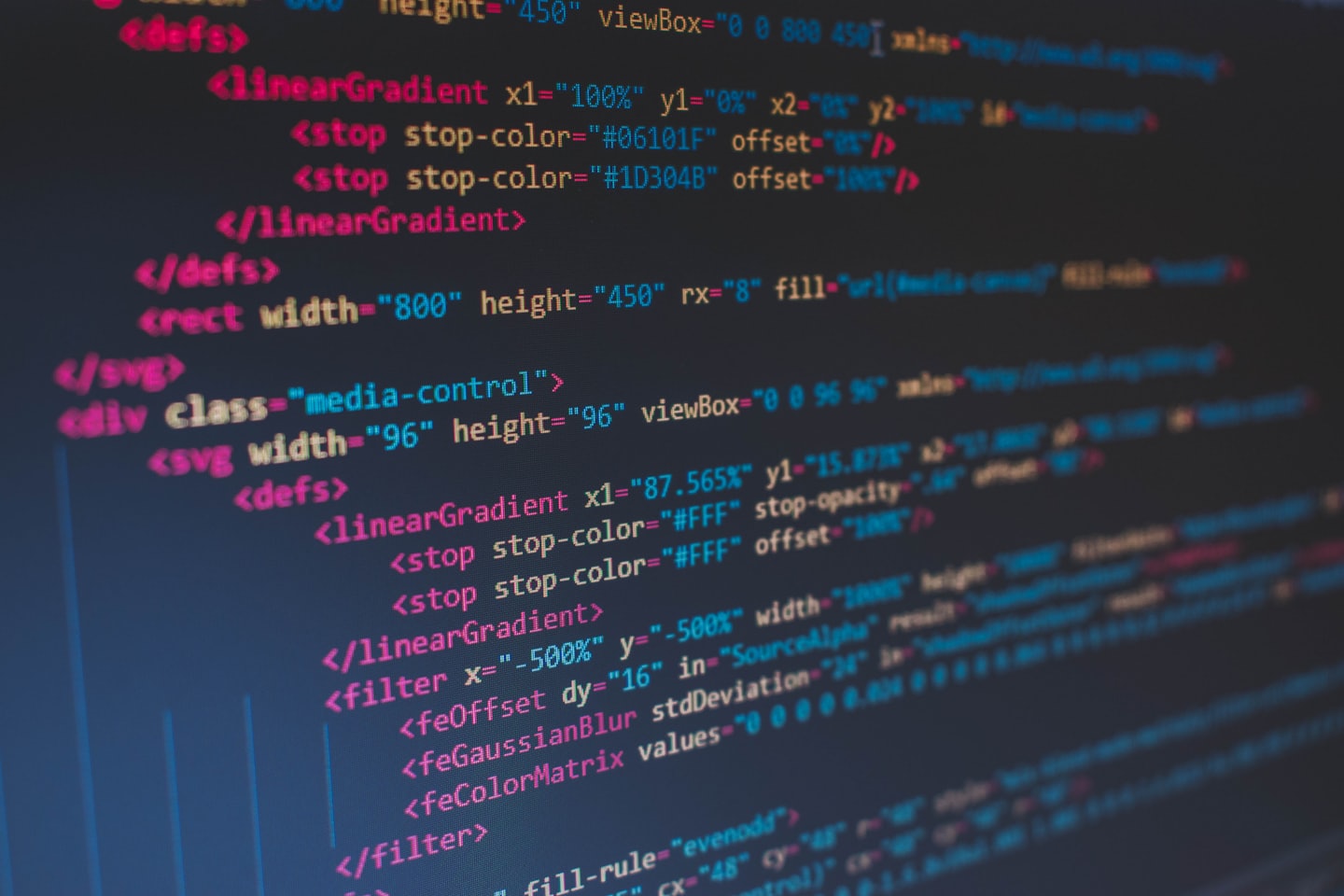
As we move toward the midpoint of this discussion, it’s worth considering alternative perspectives and questions readers may have. Does Java truly shape time travel narratives, or is it merely a convenient metaphor? Some may argue that storytelling drives technology-inspired ideas, not the other way around. However, as more creators come from technical backgrounds, their understanding of systems, concurrency, and state management inevitably influences how they imagine time travel. Concepts like multithreading resemble parallel timelines, while synchronization echoes the need to align events across different eras. At the same time, critics note that overly technical explanations can risk distancing audiences. This tension creates a natural transition toward the final reflection: how to balance imaginative freedom with structured logic when telling stories about time.
Wrapping Up with Key Insights
In conclusion, Java’s impact on time travel narratives lies not in literal time machines, but in the mindset it represents—order, structure, and accountability within complex systems. By influencing how creators think about cause and effect, parallel processes, and error correction, Java helps shape more coherent and believable time travel stories. The key takeaway is that technology and storytelling are deeply interconnected, each informing the other in subtle ways. Readers and creators alike can reflect on how structured thinking enhances creativity rather than limiting it. Whether you’re writing fiction, designing software, or simply pondering the nature of time, embracing clarity, logic, and thoughtful design can help you navigate even the most complex journeys—through code, stories, or imagination itself.
Leave a Reply