
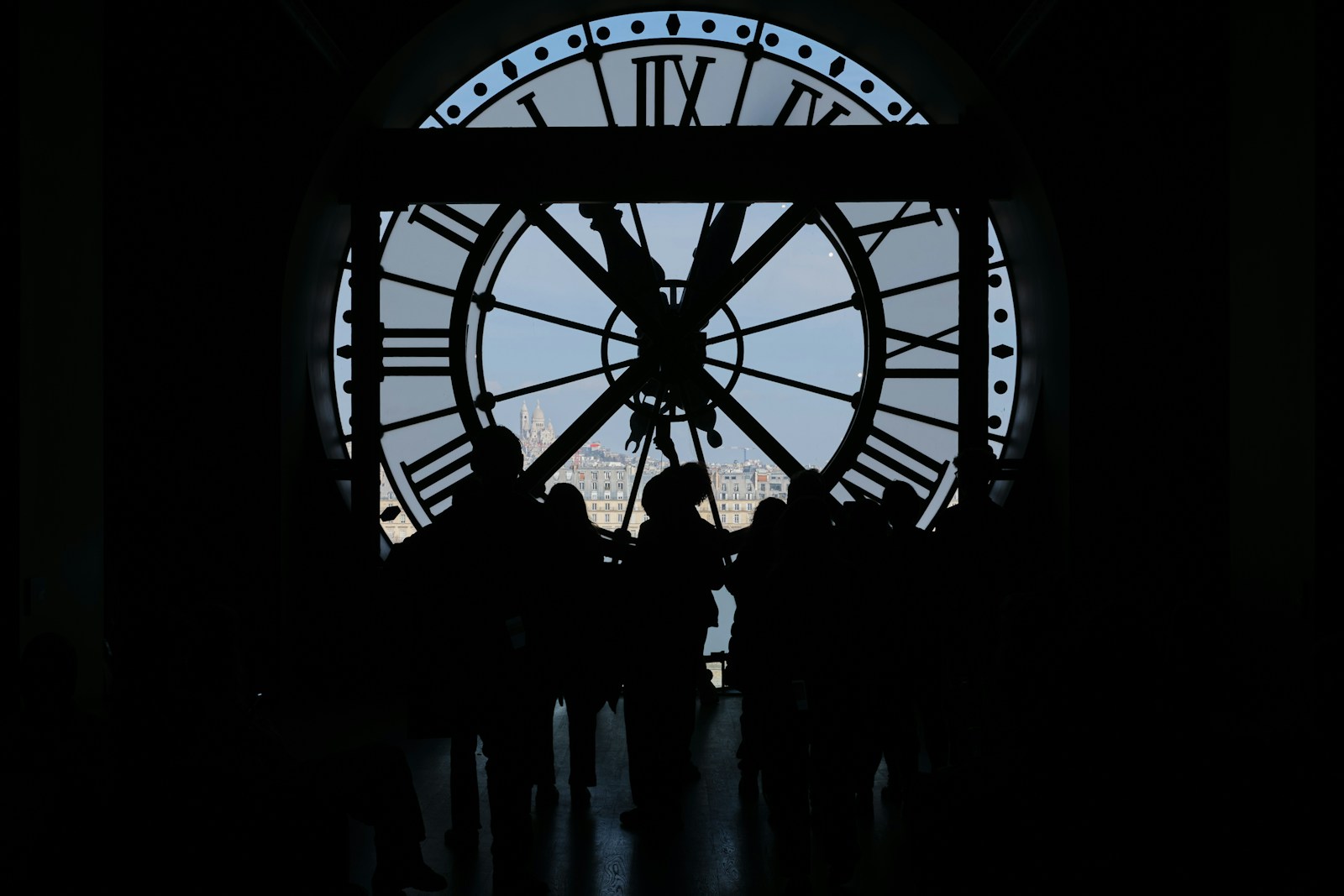
Time travel sits at the meeting point of physics, imagination and some of science’s hardest questions. Modern physics shows that time does not pass at exactly the same rate for everyone: motion and gravity can change how much time elapses for different observers. That is real time dilation—not a machine that lets us freely visit the past.
What does science say about time travel?
In Einstein’s theory of relativity, space and time form spacetime. A traveller moving at a speed close to the speed of light would experience less elapsed time than people who remained behind. This effect has been measured with precise clocks and must be considered in technologies such as satellite navigation.
Could we travel into the past?
Travelling into the past is much more uncertain. Ideas involving wormholes or unusual spacetime geometries appear in theoretical discussions, but no practical time machine has been demonstrated. Such proposals face major physical problems, including whether the required conditions could exist and remain stable.
The grandfather paradox
Imagine travelling into the past and preventing an event that was necessary for your own existence. How could you then have made the journey? This famous thought experiment exposes a problem with changing history. Proposed responses include self-consistent timelines, branching histories in speculative models, or the possibility that nature prevents such contradictions—but none is an experimentally confirmed solution.
“The most exciting questions about time travel begin where established physics meets the limits of what we know.”
Editorial note — a summary of the scientific question, not a quotation from a named physicist.
Explore more time-travel ideas
- The Grandfather Paradox Explained
- Could a Real Time Machine Ever Be Built?
- The Butterfly Effect: One Small Change in History
- Parallel Universes: Could Another Earth Exist?
Reliable resources
For further reading, start with NASA’s Universe overview, Einstein Online’s explanations of relativity and spacetime, and the US National Institute of Standards and Technology for research on precision clocks. These resources provide scientific context; they do not claim that a working time machine exists.
Leave a Reply